← Back to previous page

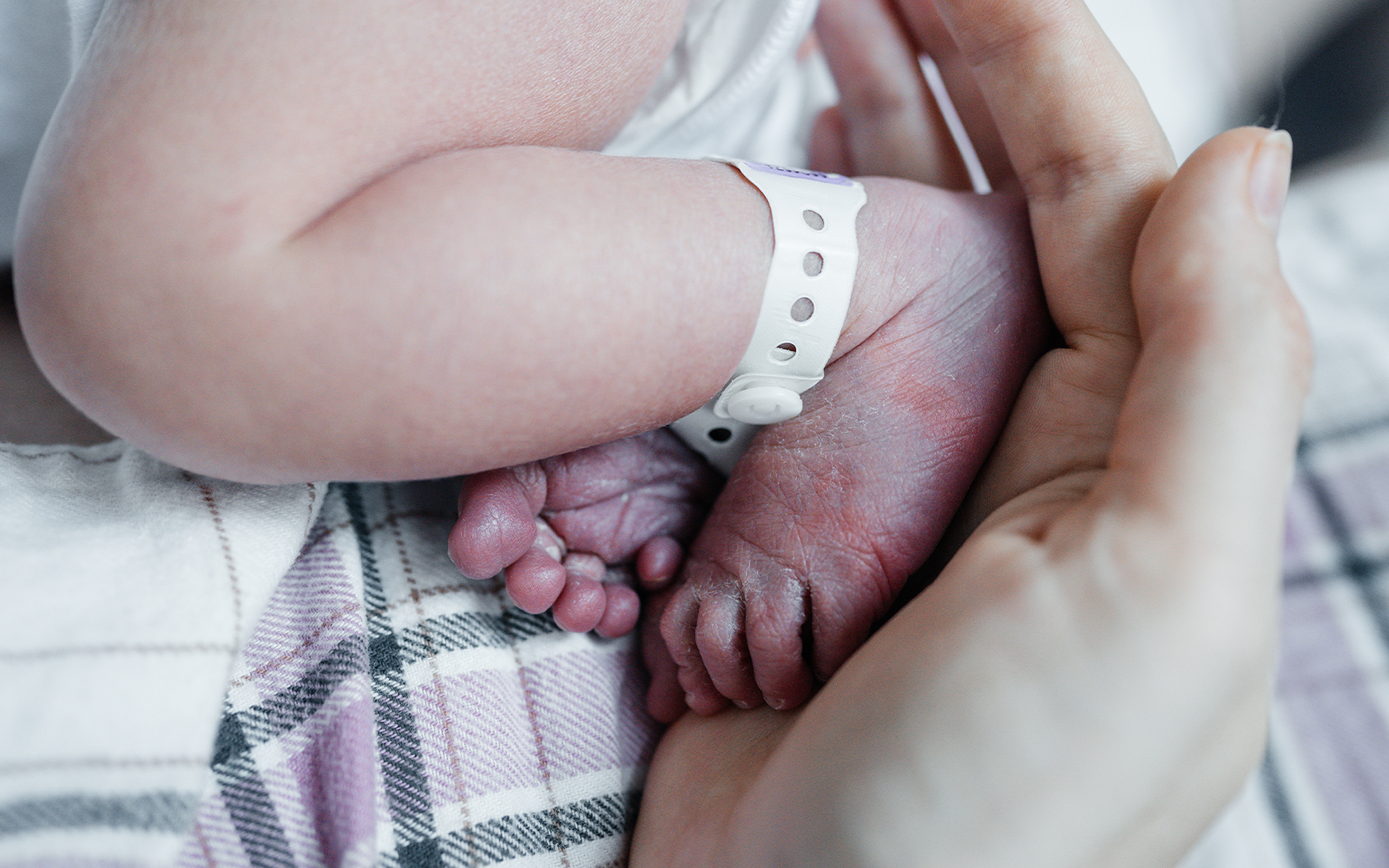 A randomised clinical trial from low-resource neighbourhoods in South Delhi, India, has shown that vulnerable babies may do better when healthcare reaches the home, not only the clinic. Reported on 28 July 2026, the study followed 1,300 term small-for-gestational-age infants enrolled within 14 days of birth, comparing usual government care with an integrated support package that combined health guidance, nutrition support, early child stimulation and psychosocial care. Babies who received the home-based intervention showed improved growth, lower anaemia risk and better neurodevelopment outcomes by 12 months, suggesting that small babies need more than routine check-ups alone. The findings are especially relevant for countries such as South Africa, where low birth weight, poverty, food insecurity and overstretched clinics can affect early childhood development. The study strengthens the case for community health workers, caregivers and primary healthcare teams to work together from the first weeks of life, supporting feeding, responsive play, developmental milestones and maternal wellbeing. While the trial was conducted in India and should be adapted carefully for local settings, its message is powerful: the first year of life is a window of opportunity, and bringing joined-up care into the home can help small babies grow stronger, healthier and more developmentally ready for the future.
Sponsored by
Home-Based Baby Support Shows Big Promise for Growth and Early Brain Development
A randomised clinical trial from low-resource neighbourhoods in South Delhi, India, has shown that vulnerable babies may do better when healthcare reaches the home, not only the clinic. Reported on 28 July 2026, the study followed 1,300 term small-for-gestational-age infants enrolled within 14 days of birth, comparing usual government care with an integrated support package that combined health guidance, nutrition support, early child stimulation and psychosocial care. Babies who received the home-based intervention showed improved growth, lower anaemia risk and better neurodevelopment outcomes by 12 months, suggesting that small babies need more than routine check-ups alone. The findings are especially relevant for countries such as South Africa, where low birth weight, poverty, food insecurity and overstretched clinics can affect early childhood development. The study strengthens the case for community health workers, caregivers and primary healthcare teams to work together from the first weeks of life, supporting feeding, responsive play, developmental milestones and maternal wellbeing. While the trial was conducted in India and should be adapted carefully for local settings, its message is powerful: the first year of life is a window of opportunity, and bringing joined-up care into the home can help small babies grow stronger, healthier and more developmentally ready for the future.