Sponsored by

Breakthrough Therapy for Cutaneous Lupus
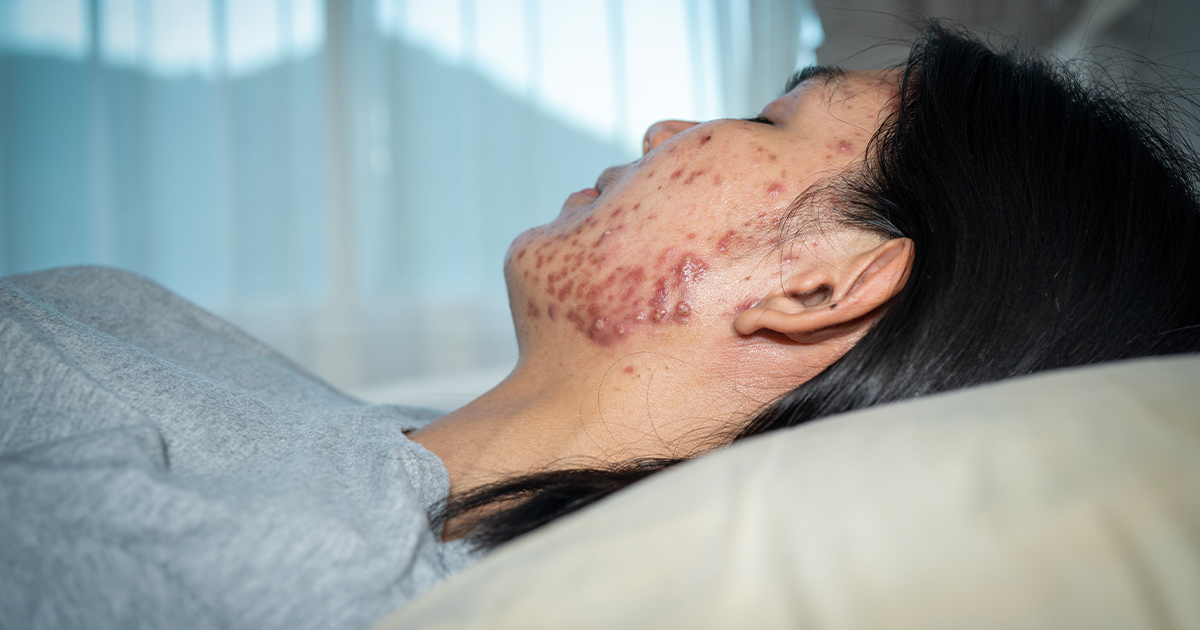
Litifilimab's promise
Autoimmune diseases often pose a clinical challenge due to their complexity and chronic inflammatory nature. Cutaneous lupus erythematosus — a debilitating autoimmune condition primarily affecting the skin — has long lacked a targeted therapy with consistent efficacy. In 2026, a major development arrived: litifilimab, a biologic that received the FDA’s Breakthrough Therapy designation for cutaneous lupus. Clinical studies demonstrated meaningful improvement in disease severity scores and skin lesion outcomes for patients, offering hope where previously treatments were limited and often non-specific.
By focusing on a precise immune pathway, this novel therapy may help quell the inflammatory cascade at the heart of the disease with fewer systemic side effects. This targeted approach is part of a broader trend in autoimmune research — pursuing treatments that reset dysregulated immune networks rather than broadly suppressing immune function.
Why These Treatments Matter
Both the oral PCSK9 inhibitor and litifilimab highlight how 2026 is translating advanced science into practical, patient-centred therapies. One simplifies cardiovascular prevention for a leading global killer, while the other offers targeted relief for chronic autoimmune disease.
These breakthroughs reflect a broader shift toward smarter, more precise treatments that improve daily disease management. As they progress through final trials and regulatory review, they signal a new era where convenience, specificity and biological insight work together to advance human health.