Sponsored by

Balanced by Design

Beyond Fads and Quick Fixes
Nutrition trends change almost weekly. High-protein, low-carb, plant-based, intermittent fasting. The noise can make healthy eating feel complicated. Yet the foundation of good nutrition remains surprisingly steady. A balanced diet, built on variety, moderation and nutrient density, continues to be the most sustainable path to health.
Autumn is an ideal time to recalibrate. As the pace of the year settles and seasonal produce shifts, many people naturally gravitate toward warmer, heartier meals. This presents an opportunity to build balanced plates that nourish the body rather than restrict it.
What Does a Balanced Diet Actually Mean?
A balanced diet includes appropriate proportions of macronutrients, carbohydrates, proteins and fats, alongside essential micronutrients such as vitamins and minerals. It is not about eliminating entire food groups. It is about combining them intelligently.
Carbohydrates provide energy for the brain and muscles. Whole grains and fibre-rich sources support digestive and cardiovascular health. Protein supports muscle repair, immune function and satiety. Healthy fats assist with hormone production and nutrient absorption.
Recent dietary guidance discussed in 2026 continues to emphasise whole-food patterns rather than extreme restrictions. Mediterranean-style eating patterns remain among the most studied for long-term heart and metabolic health.
Autumn Produce and Nutritional Advantage
Seasonal eating often aligns naturally with balanced nutrition. Autumn vegetables such as pumpkin, butternut, sweet potatoes and leafy greens provide beta-carotene, fibre and antioxidants that support immune function. Citrus fruits entering season contribute vitamin C, particularly important as respiratory illnesses increase in cooler months.
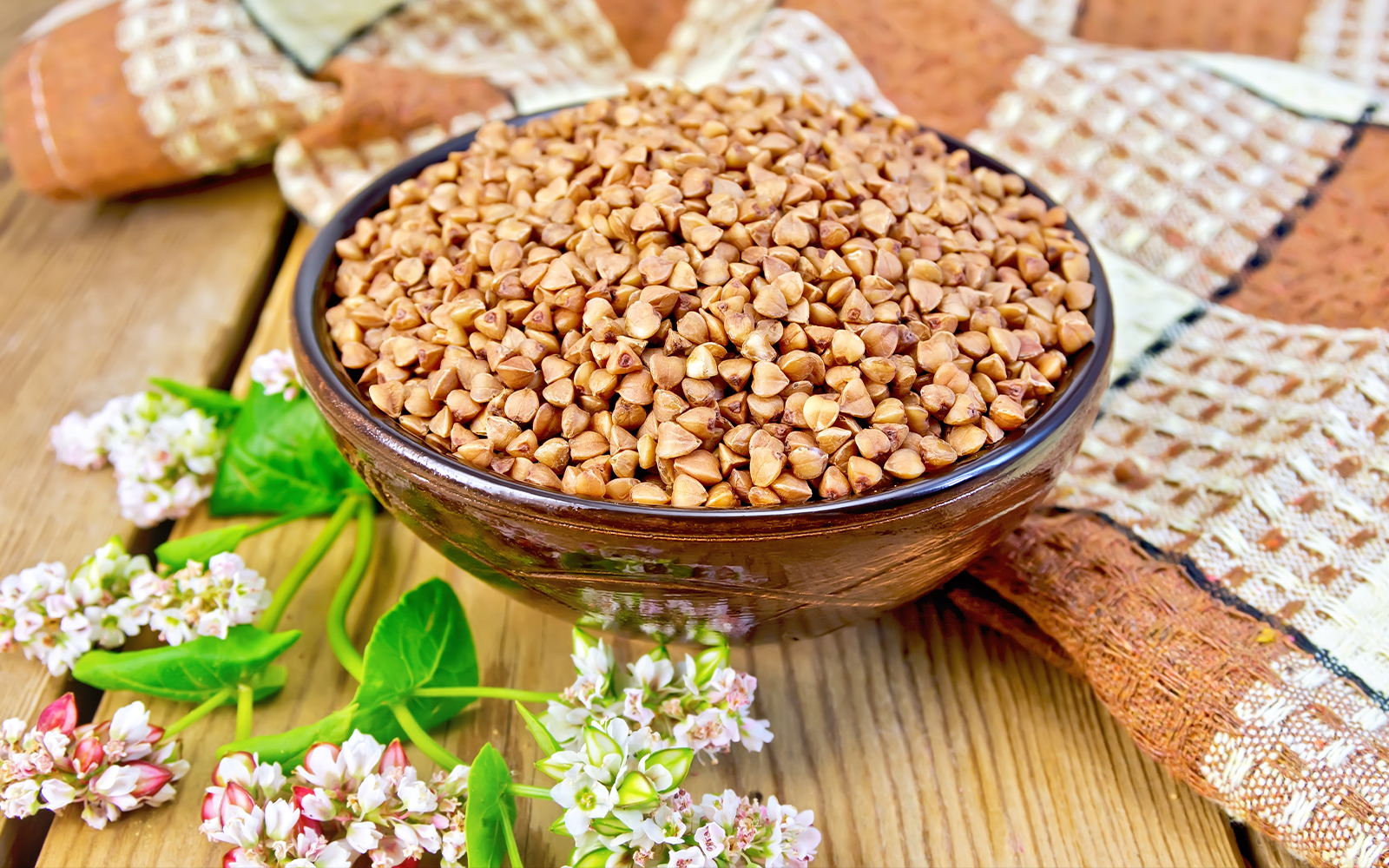
Whole grains such as oats and brown rice offer sustained energy and support blood sugar regulation. Legumes, including lentils and beans, provide plant-based protein and fibre, supporting heart health and digestive balance. Eating seasonally often enhances nutrient density while improving flavour and satiety.
The Role of Portion and Moderation
Balanced eating also requires portion awareness. Overconsumption, even of healthy foods, can contribute to weight gain and metabolic strain. Conversely, under-eating may lead to nutrient deficiencies and fatigue.
Plate-based guidance remains practical for beginners. Half the plate filled with vegetables, one quarter with lean protein and one quarter with whole grains provides a visual framework that simplifies decision-making.
Hydration is frequently overlooked during cooler months. Reduced thirst signals in autumn can lead to mild dehydration, which impacts energy and concentration.
Addressing Common Nutritional Gaps
Clinical assessments in 2026 continue to show deficiencies in vitamin D, iron and omega-3 fatty acids in many populations. Balanced diets that include fatty fish, fortified dairy or plant alternatives, nuts and seeds can help address these gaps.
For individuals following vegetarian or restrictive diets, professional guidance may be beneficial to ensure adequate micronutrient intake.
Balanced Diets and Chronic Disease Prevention
Nutrition plays a direct role in preventing chronic conditions such as cardiovascular disease, type 2 diabetes and certain cancers. Diets high in fibre, healthy fats and diverse plant foods are consistently associated with lower inflammatory markers and improved metabolic outcomes.
Autumn is a strategic season to implement preventive habits before winter indulgences increase. Planning balanced meals in advance reduces reliance on convenience foods that are often high in sodium and added sugars.
The Psychological Side of Eating
Balanced nutrition also involves a healthy relationship with food. Restrictive cycles can lead to guilt and inconsistency. Mindful eating practices encourage awareness of hunger and fullness cues, improving long-term sustainability.
Building Sustainable Autumn Habits
Start by reviewing your current intake without judgment. Gradually increase vegetable diversity. Replace refined grains with whole alternatives. Prioritise lean proteins. Keep healthy snacks accessible. Prepare meals at home when possible.
Small, repeated adjustments often produce greater long-term benefit than drastic short-term overhauls.
Nourishment for the Season Ahead
Balanced diets do not demand elimination. They encourage inclusion of diverse, nutrient-rich foods that work together to support energy, immunity and resilience.
As autumn unfolds, think of your plate as preparation for the colder months ahead. Consistent, balanced nutrition strengthens the foundation on which all other health habits rest.
Healthy eating is not about intensity. It is about thoughtful, repeatable choices that align with both science and lifestyle.